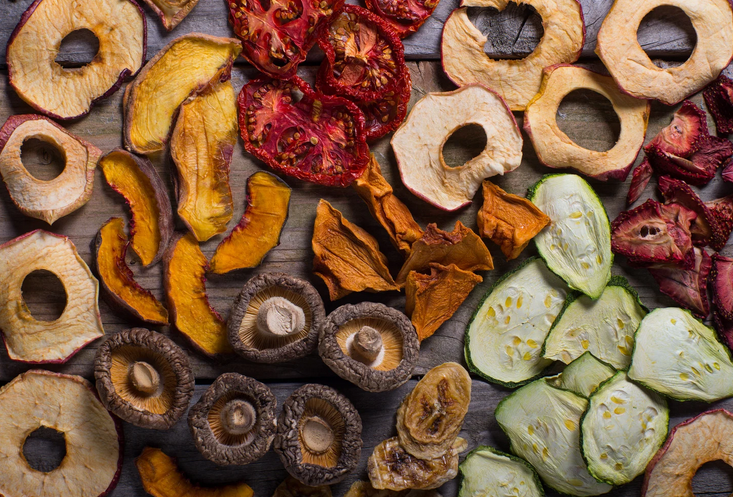
Dehydrated fruits are good for several reasons, offering nutritional, practical, and culinary benefits:
- Nutrient Retention: Dehydrating removes water but preserves most nutrients, like vitamins, minerals, and fiber. For example, dried apricots retain high levels of vitamin A and potassium, supporting eye health and blood pressure regulation.
- Long Shelf Life: Without water, dehydrated fruits resist spoilage, lasting months or even years when stored properly, making them ideal for emergencies or long-term storage.
- Portability and Convenience: Their lightweight, compact nature makes them perfect for snacks on the go, hiking, or travel. No refrigeration is needed, unlike fresh fruit.
- Concentrated Flavor: Dehydration intensifies natural sugars and flavors, making them a tasty, healthy alternative to processed snacks like candy or chips.
- Versatility: They can be used in cooking, baking (e.g., in granola or muffins), or rehydrated for recipes like sauces or compotes, adding nutrition and flavor.
- Reduced Food Waste: Dehydrating excess fresh fruit prevents spoilage, allowing you to preserve seasonal produce.